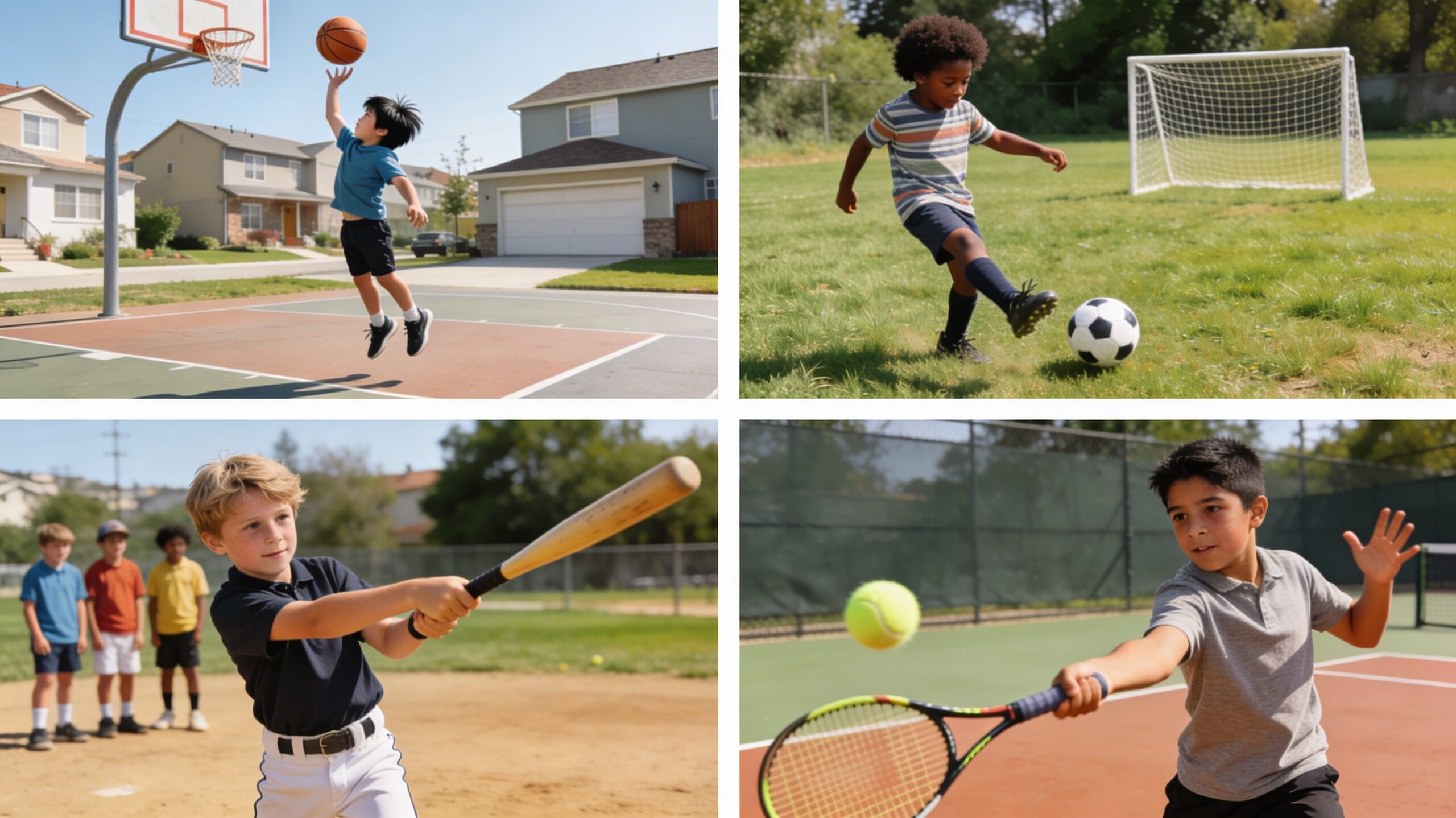
Every year, parents ask the same question:
Should my child specialize in one sport — or play multiple?
With travel teams, year-round seasons, and competitive pressure starting younger than ever, it’s easy to feel like specializing early is the only way to “keep up.”
But what do experts actually recommend?
Here’s what research, pediatric sports organizations, and long-term athlete development models suggest for 2026 and beyond.
👶 Ages 5–8: Try Everything
Recommendation: 2–3 different sports per year
Focus: Fun, coordination, and basic motor skills
At this stage, kids benefit most from:
-
Running
-
Jumping
-
Throwing
-
Catching
-
Balance & agility
The goal isn’t elite development.
It’s building athletic foundations.
Multi-sport participation improves:
-
Coordination
-
Confidence
-
Social skills
-
Injury resistance
🔎 Directory Opportunity: This is where recreational leagues and seasonal programs shine. Parents can explore beginner-friendly options by sport and location.
🧒 Ages 9–12: Build Skills, Avoid Burnout
Recommendation: 2 sports per year
Focus: Skill development + continued variety
This is when competition levels increase — but specialization still isn’t necessary for most athletes.
Studies consistently show that early diversification:
-
Reduces overuse injuries
-
Decreases burnout rates
-
Improves long-term performance
Many professional athletes played multiple sports until middle school or later.
⚠️ Early specialization is usually only necessary in:
-
Gymnastics
-
Figure skating
For most team sports (basketball, soccer, baseball, volleyball), diversification leads to better long-term outcomes.
🧑 Ages 13–15: Gradual Focus (If Desired)
Recommendation: 1–2 sports
Focus: Strength, conditioning, sport IQ
Around early high school, athletes may choose to focus more heavily on one sport — especially if they’re aiming for varsity or collegiate levels.
However, complete year-round specialization without rest increases:
-
ACL injury risk
-
Shoulder overuse injuries
-
Mental burnout
Smart development includes:
-
Off-season training
-
Cross-training
-
Recovery periods
🔎 This is also where camps, clinics, and performance training programs become valuable resources.
🎓 Ages 16–18: Strategic Specialization
At this stage, athletes with competitive goals may commit primarily to one sport.
Best practices include:
-
1–2 rest days per week
-
2–3 months off annually from primary sport
-
Structured strength training
-
Proper recovery planning
Even elite athletes benefit from cross-training to maintain durability.
🚨 The Risks of Early Specialization
Research has linked year-round single-sport focus before age 12 to:
-
Increased overuse injuries
-
Higher dropout rates by age 13
-
Greater mental fatigue
-
Decreased long-term enjoyment
Remember:
The goal is long-term development — not short-term wins.
🏆 What About College Scholarships?
This is where many parents feel pressure.
Reality check:
-
Only a small percentage of youth athletes receive athletic scholarships.
-
Multi-sport athletes are often viewed as more versatile and coachable.
-
College coaches increasingly value durability and athletic IQ over early specialization.
💡 Signs Your Child May Be Overloaded
-
Frequent “nagging” injuries
-
Complaints of exhaustion
-
Loss of enthusiasm
-
Anxiety around performance
-
No true off-season
If you see these signs, it may be time to scale back.
📋 How to Build a Balanced Youth Sports Schedule
Here’s a simple framework:
Under 12:
-
Prioritize fun
-
Play multiple sports
-
Avoid year-round commitment to one sport
13–15:
-
Narrow focus gradually
-
Include cross-training
-
Schedule rest periods
16+:
-
Specialize strategically
-
Plan recovery
-
Balance academics + athletics
🌐 Finding the Right Programs
Whether your child wants to try a new sport or focus on skill development, finding the right fit matters.
Look for programs that:
-
Emphasize development over winning
-
Offer clear communication
-
Prioritize safety
-
Have structured practice plans
Youth Sports Axis makes it easier to:
-
Explore local teams
-
Compare camps and clinics
-
Discover seasonal leagues
-
Find training programs near you
Instead of guessing what’s available, you can search by sport and location in one place.
🎯 Final Takeaway
For most kids:
Playing multiple sports — especially before age 13 — leads to better long-term success, fewer injuries, and more enjoyment.
The best athletes aren’t built overnight.
They’re developed over time — with balance, recovery, and smart progression.