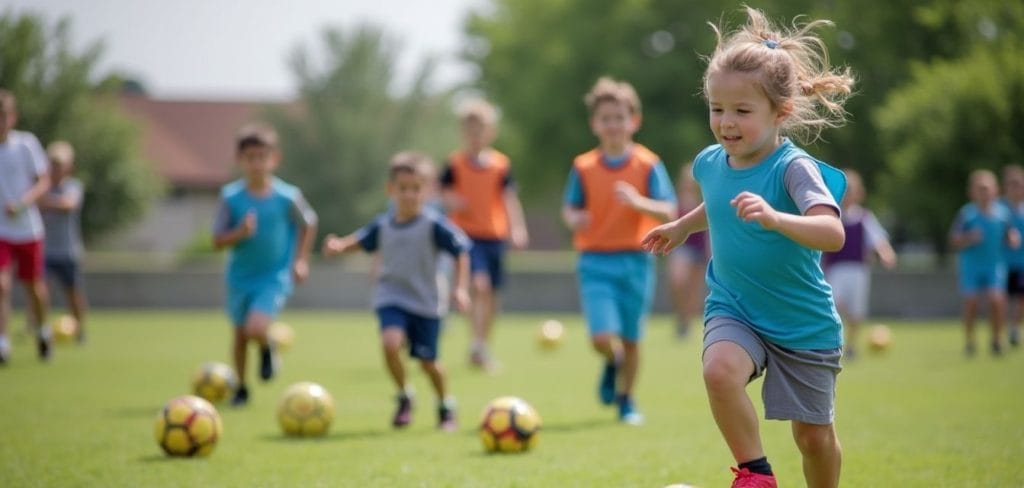
In a world where screens often dominate and structured activities can sometimes overshadow the simple joys of physical play, it’s easy to overlook the profound impact that youth sports have on individuals and communities. Yet, beneath the surface of every soccer game, basketball practice, or swimming meet lies a treasure trove of benefits that extend far beyond the field. Here’s why youth sports are so crucial for the development of young people and the health of our communities. The vital role of youth sports cannot be overstated, as it builds stronger connections among participants and fosters teamwork.
1. Building Physical Health
First and foremost, youth sports are a powerful tool for promoting physical health. Regular participation in sports helps children and teenagers develop cardiovascular fitness, strength, flexibility, and coordination. It combats the rising tide of childhood obesity and instills lifelong habits of physical activity. For many young athletes, the lessons learned on the field or court translate into a commitment to exercise that persists into adulthood.
2. Fostering Social Skills
Youth sports are a breeding ground for social development. Team sports, in particular, teach valuable lessons in cooperation, communication, and empathy. Children learn to work with others towards a common goal, navigate conflicts, and build relationships with teammates, coaches, and opponents. These interactions help them develop strong interpersonal skills and a sense of community that is essential for their future personal and professional lives.
3. Encouraging Mental Toughness
The challenges of sports – from the rigors of practice to the pressure of competition – provide a fertile ground for developing mental resilience. Athletes face setbacks, learn to manage stress, and experience both triumph and defeat. These experiences teach perseverance, goal-setting, and the ability to bounce back from failure. Such mental toughness is invaluable, not just in sports, but in all areas of life.
4. Instilling Discipline and Time Management
Youth sports require a significant time commitment, which helps young athletes learn the art of balancing multiple responsibilities. Juggling school, practice, games, and sometimes even part-time jobs fosters discipline and time management skills. These skills are crucial for academic success and future career endeavors.
5. Boosting Self-Esteem and Confidence
Success in sports can be a powerful confidence booster. Whether it’s mastering a new skill, achieving a personal best, or contributing to a team’s success, these accomplishments build self-esteem. This confidence spills over into other areas of life, enhancing a young person’s belief in their abilities and their willingness to take on new challenges.
6. Promoting Exclusivity and Diversity
Sports offer a unique platform for exclusivity and diversity. Teams often bring together individuals from various backgrounds and socioeconomic statuses, fostering a sense of unity and mutual respect. This exposure helps break down stereotypes and builds a more inclusive mindset among young people.
7. Creating Community Connections
Youth sports can strengthen community bonds. Local leagues and clubs often rely on volunteers, fostering a spirit of civic engagement and cooperation. Parents, coaches, and community members come together to support and celebrate the achievements of young athletes, creating a vibrant network of connections and support.
8. Providing Positive Role Models
Coaches and mentors play a crucial role in youth sports. They not only teach technical skills but also model positive behaviors and attitudes. The influence of a dedicated coach can inspire young athletes to strive for excellence both in sports and in their personal lives.
Conclusion
The benefits of youth sports extend far beyond the final whistle. From physical health and social skills to mental resilience and community connection, the impact is profound and lasting. By supporting and encouraging youth participation in sports, we invest in healthier individuals and stronger, more connected communities. As we cheer on our young athletes, let’s remember that every game played, every skill learned, and every challenge overcome is a step towards building a brighter future for everyone.